


Every year, the Top 50 Voices in Higher Education highlights thought leaders, innovators, and changemakers whose ideas are shaping the future of teaching, learning, and student engagement. This year, we received an incredibly diverse and impressive set of nominations that showcased the breadth and impact of work happening across the field.
Nominations from around the whole globe
For 2026, the list reflects an unprecedented global response with thousands of nominations poured in from around the world, including from institutions across Canada, United States, New Zealand, Australia, United Kingdom, Europe, Asia and South America! Higher Ed professionals were nominated for many reasons including:
- Sharing practical insights openly
- Supporting others in the sector
- Translating complex ideas into accessible language
- Advocating for change not just commenting on it
- Leading the charge for inclusion, diversity and accesibility for students
- Innovating inside and outside of the classroom
These voices stand out not only for their expertise, but for the way they spark dialogue, influence policy and practice, and represent diverse perspectives across higher education. From researchers and educators to technology leaders and community builders, the 2026 list celebrates those whose work enriches institutions around the world and inspires learners today and into the future.
Introducing our judges and shortlisted nominations
Before we reveal the Top 50, we want to extend a HUGE thank you to everyone who took the time to submit a nomination. The quality and thoughtfulness of this year’s nominations were exceptional, making the judging process both inspiring and incredibly challenging!
From the thousands of nominations received, we shortlisted the Top 100 individuals who truly stood out for the impact, leadership, and influence highlighted in their nominations. Congratulations to everyone who made the shortlist here. This was no small achievement given the remarkable volume and standard of nominations. The shortlist recognizes those who narrowly missed out on the Top 50 and celebrates the breadth of outstanding voices across the sector.
SEE THE SHORTLIST

We would also like to sincerely thank our external judging panel for their time, care, and expertise in reviewing the nominations and role in shaping this year’s list.
- Derek Bruff: Educator, Author & Associate Director, Center for Teaching Excellence, University of Virginia
- Viji Sathy: 2025 HE Top Voice & Interim Director, Center for Faculty Excellence, UNC Chapel Hill
- Laura Milne: Head of Digital Education, University of Chester
The Top 50 Voices in Higher Education for 2026
Below is the 2026 list of the Top 50 Voices in Higher Education and an essential group of individuals to follow for insights, leadership, and inspiration.
Important note: The Top Voice list isn't ranked and is presented at random. All featured voices are of equal merit and standing.

Check out the list of Top Voices in Higher Education here and find their profiles to follow them below. Want to nominate a top voice for future years or keep up to date with any higher education news? Then follow us on LinkedIn at @Vevox.
1. Rod Brazier
2. Thomas Chase Hagood
3. Tanisha Douglas
4. Burcu Karabina
5. Phil Anthony
6. Dr Deepshikha
7. Dr. Lynda Hope Murray-Jackson
8. Linda Pfeiffer
9. Sarah Rose Cavanagh
10. Paul Dosal
11. Parshan Khosravi
12. Miri Firth
13. Aoife Prendergast
14. Nurun Nahar
15. Rachel Bonaparte
16. Sara Brownell
17. Vicky Goosey-Tolfrey
18. Jan Lee Santos
19. Mike Perkins
20. Dr Ursula Rolfe
21. Darleny Cepin
22. Bo Kelestyn
23. Michael Goodsite
24. Dr April Crenshaw
25. Laura Dumin
26. Teresa Cremin
27. James Wright
28. Dr Gearóid Ó Súilleabháin
29. Dr. Stella Flores
30. Dr. Travien Capers
31. Dr. Tamika Worrell
32. Patricia Baia
33. Brian Evans
34. Aicha Adoui
35. Lauren Barbeau
36. Gina Solano
37. Luke Kimber-Bradshaw
38. Dr. Jovanna Nathalie Cervantes Guzmán
39. Lisa Clark
40. Alicia Kalka
41. Matthieu Kaminski
42. Nicole Lindenburg
43. Bridget Burns
44. Nicola Campbell
45. Dr. Mythili Kolluru
46. Shauntae Trammell
47. Dr Brianna Le Busque
48. Tanya Weiler
49. Ashley Dockens
50. Sarah-Eliéssa Badaoui
The Top 50 Voices
-
Role: Managing Director and Co-Founder of International Humanitarian College London, and an academic leader and pedagogic innovator specialising in experiential learning, widening participation, and scalable higher education transformation.
Thought leadership topics: Experiential and chunked learning design, inclusive pedagogy for widening participation and neurodivergent learners, staff development through digital credentialing, and scaling high-quality education for diverse student populations.
Why Follow? Dr Rod Brazier is a leading voice in inclusive and experiential higher education, having pioneered the Chunked Experiential Learning model and embedded it across LCCA. His work has measurably improved student satisfaction, retention, and outcomes while enabling sustainable growth from 500 to over 9,000 students. Through inclusive, staff-empowering innovation, Rod offers vital insight into the future of equitable, scalable higher education.
-
Role: Vice Provost for Student Success at the University of Utah
Thought leadership topics: Student success and retention, equitable advising and guided pathways, credit for prior learning and alternative assessment, data-informed decision-making, and statewide higher education policy reform.
Why Follow? T. Chase Hagood is a nationally respected student-success leader whose work integrates advising, career coaching, and guided services to reduce time-to-degree and close equity gaps for first-generation, working, and transfer students. Through scalable institutional reform, policy engagement, and influential thought leadership, he offers practical, evidence-based insights into building more equitable and outcomes-driven higher education systems.
-
Tanisha Douglas
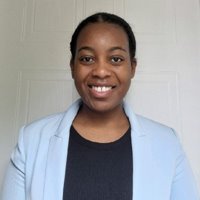
Role: Lecturer in Psychology at Birmingham City University and early career teaching and learning innovator, with a clinical background in mental health care.
Thought leadership topics: Inclusive and accessible learning design, learner engagement and autonomy, neurodiversity-informed pedagogy, digital learning journals, mental health–informed teaching practice, and preparing students for lifelong learning and employability.
Why follow? Dr Tanisha Douglas is an emerging voice in higher education, integrating clinical mental health practice with learning theory to enhance student engagement, inclusion, and graduate readiness. Her evidence-informed, highly accessible digital learning innovations have delivered measurable gains in engagement and participation, earning national recognition and positioning her as a future leader in inclusive, student-centred teaching and learning.
FOLLOW DR TANISHA DOUGLAS
-
Burcu Karabina

Role: Award-winning Online Course Developer and Teaching Fellow; Co-Director, Math Tutoring Centre at University of WaterlooThought leadership topics:
Burcu Karabina focuses on innovative mathematics education, designing courses that are flexible, accessible, and evidence-based. She explores inclusive learning strategies, student engagement, growth mindset, mental performance coaching, and the integration of educational technologies across synchronous, asynchronous, flipped, and blended formats. Equity, diversity, mentorship, and fostering belonging in STEM are central to her work.
Why follow? Burcu transforms higher education through inclusive, data-driven teaching and mentorship. She shares practical strategies for student success, innovative course design, and educational technology, influencing classrooms and educators worldwide.
FOLLOW BURCU KARABINA
-
Phil Anthony

Role: Head of AI at University of Kent
Thought leadership topics: Phil Antony’s work centres on digital transformation in higher education, with a strong focus on AI adoption, AI literacy, and the responsible use of emerging technologies. He explores how technology can enhance learning, teaching, and the student experience while remaining inclusive, accessible, and firmly student-centred. He also leads sector-wide communities of practice that translate innovation into real institutional change.
Why follow? Phil is shaping national conversations on digital and AI-enabled education. He connects strategy with practice, helping institutions adopt technology in ways that improve learning, support educators, and expand access rather than widen gaps.
FOLLOW PHIL ANTONY
-
Dr. Deepshikha
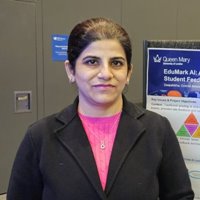
Role: Teaching Fellow at Queen Mary University of London
Thought leadership topics: Dr. Deepshikha focuses on transforming assessment, feedback, and learning in an AI-enabled era. She explores practical, ethical, and scalable approaches that improve marking consistency, reduce staff workload, and make assessment transparent and accessible. Her work bridges pedagogy, technology, and academic leadership, emphasizing inclusivity, fairness, and authentic curriculum design while helping students and educators engage confidently with AI.
Why follow? Dr. Deepshikha translates innovation into real educational impact, shaping future-focused, inclusive higher education. She provides strategies to improve assessment, enhance feedback, and ensure all learners succeed in a rapidly evolving academic landscape.
FOLLOW DR DEEPSHIKHA
-
Dr. Lynda Hope Murray-Jackson
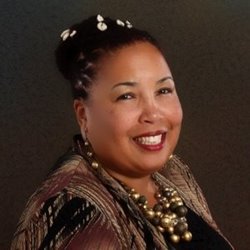
Role: Senior Associate Vice-President, Institutional Effectiveness at Delaware State University
Thought leadership topics: Dr. Lynda Murray-Jackson focuses on institutional effectiveness, strategic leadership, and advancing student and faculty success. She leads initiatives that strengthen institutional capacity, expand access, and drive innovative higher education practices, including the historic acquisition of Wesley College. Her work emphasizes equity, inclusion, and empowering colleagues while fostering mission-driven excellence and transformative student outcomes.
Why follow? Dr. Murray-Jackson models leadership and innovation in higher education, sharing strategies for institutional effectiveness, access, and student success. She exemplifies how strategic vision, inclusion, and mentorship can transform institutions and positively impact students, faculty, and colleagues.
FOLLOW DR MURRAY-JACKSON
-
Linda Pfeiffer
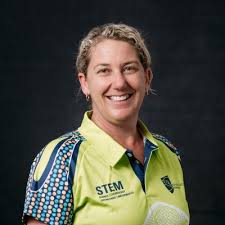
Role: Associate Professor and Deputy Dean (Research) at CQ University
Thought leadership topics: Linda Pfeiffer’s work focuses on inclusive and innovative STEM education that connects research, teaching, industry, and community impact. She leads large-scale, interdisciplinary initiatives that increase STEM engagement from early childhood through tertiary education and lifelong learning. Her leadership spans STEM outreach, teacher development, community partnerships, and regional innovation, with a strong emphasis on access, participation, and real-world relevance.
Why follow? Linda brings a rare combination of research leadership, educational practice, and community engagement. Her work demonstrates how inclusive STEM education can drive regional impact, strengthen industry partnerships, and expand participation across all stages of learning.
FOLLOW LINDA PFEIFFER
-
Sarah Rose Cavanagh

Role: Senior Associate Director for Learning and Teaching at Simmons UniversityThought leadership topics: Sarah Rose Cavanagh’s work bridges research, pedagogy, and national dialogue to reshape how higher education approaches teaching, learning, and well-being. She focuses on emotionally informed pedagogy, motivation, attention, and emotional regulation in learning, helping educators design classrooms that support both academic success and student mental health. Her scholarship translates cognitive and affective science into practical, compassionate teaching practices.
Why follow? Sarah offers a deeply human, research-grounded approach to teaching and learning. Her work helps educators create learning environments where students feel supported, regulated, and ready to engage—making her voice especially vital in today’s higher education landscape.
FOLLOW SARAH ROSE CAVANAGH
-
Paul Dosal

Role: Vice President and Vice Provost of Student Success and Enrollment Management at Florida Gulf Coast University
Thought leadership topics: Dr. Paul Dosal’s work centers on advancing student success through data-informed strategy, coordinated care models, and innovative use of predictive analytics and artificial intelligence. As Vice President and Vice Provost of Student Success and Enrollment Management at Florida Gulf Coast University, he focuses on systemic approaches that improve retention and graduation outcomes at scale. His leadership emphasizes proactive student support, cross-campus collaboration, and technology-enabled decision-making to remove barriers and drive measurable impact.
Why follow? Over the past 15 years, Dr. Dosal has delivered significant gains in retention and graduation rates at three public universities. A pioneer in student success since his tenure at USF beginning in 2010, he has consistently implemented forward-thinking strategies that have since been replicated at institutions across Florida and beyond. His ability to translate analytics, AI, and coordinated care frameworks into sustained institutional results makes him an influential and trusted voice in the national student success movement.
FOLLOW PAUL DOSAL
-
Parshan Khosravi

Role: California Policy Director, uAspireThought leadership topics: Parshan Khosravi’s work centers on equity-driven higher education policy, student-centered systems change, and large-scale advocacy that translates lived student experience into impactful reform. He focuses on financial aid access, basic needs support, housing security, and legislative strategy, with deep expertise in coalition-building, statewide and national advocacy, and elevating student voices in policymaking.
Why follow? Parshan is a powerful advocate for students whose work delivers measurable, system-level impact. His leadership has expanded financial aid access, strengthened basic needs infrastructure, and reshaped higher education policy across California and beyond, making his voice essential for anyone committed to equity and access.
FOLLOW PARSHAN
-
Miri Firth
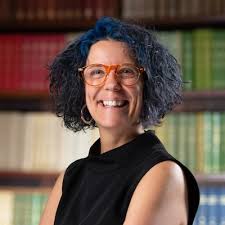
Role: Senior Lecturer at University of Manchester and National and International Leader in Employability and Assessment InnovationThought leadership topics: Dr. Miri Firth’s work focuses on employability education, flexible and inclusive assessment, and future-ready curriculum design. She leads large-scale initiatives that embed fairness, accessibility, and optionality into assessment and learning, connecting classroom practice with institutional strategy and national policy. Her work spans employability, creative industries education, assessment literacy, and innovative pedagogies that empower diverse learners.
Why follow? Miri bridges teaching, policy, and practice with rare clarity and impact. Her work shapes how institutions design assessment and employability education at scale, making higher education more inclusive, flexible, and responsive to the future of work.
FOLLOW MIRI FIRTH
-
Aoife Prendergast

Role: Principal Fellow HEA & Practice Placement Lead, Technological University of the ShannonThought Leadership Topics: Aoife Prendergast’s work centres on establishing practice placement as a signature pedagogy in higher education. She has reframed placement from a logistical requirement into a rigorous, scholarly, and inclusive academic framework that integrates theory, reflection, and professional identity formation. Her work spans practice-based learning, employability, curriculum design, social justice, and accessible placement models, influencing institutional, national, and European approaches to work-integrated learning.
Why Follow? Aoife is redefining how higher education values and designs practice-based learning. Her leadership has driven exceptional graduate employability outcomes, shaped European policy conversations, and positioned placement at the heart of inclusive, future-facing curricula.
FOLLOW DR AOIFE PRENDERGAST
-
Nurun Nahar

Role: Assistant Professor, The University of Greater ManchesterThought Leadership Topics: Nurun Nahar’s work focuses on transforming professional learning in higher education through open, accessible, and globally connected communities of practice. She leads conversations on technology-enhanced learning, AI in education, assessment in the age of AI, and learning with emerging technologies. Through the TIRIgogy CPD series, she curates dialogue across podcasts, webinars, blogs, and in-person CPD events, ensuring research, expert insight, and practitioner voices are freely shared and widely accessible.
Why Follow? Nurun is redefining inclusive, future-focused professional development in higher education. Her work connects educators worldwide, removes barriers to participation, and elevates critical, practice-based dialogue on learning and technology.
FOLLOW NURUN NAHAR
-

Role: Associate Vice President, Prince George’s Community CollegeThought Leadership Topics: Dr. Rachel Bonaparte’s work bridges scholarship, advocacy, and administration to advance equity-driven higher education reform. She focuses on inclusive leadership, equitable access to opportunity, community- and workforce-connected learning, and systemic policy change. Through initiatives such as The Blacklining Initiative, dual enrollment expansion, and institutional reform efforts, she challenges inequitable structures while designing pathways that connect education to real-world outcomes.
Why Follow? Rachel brings bold, values-driven leadership to higher education. Her work expands access, challenges inequitable systems, and models how institutional leadership can drive meaningful, inclusive change.
-
Sara Brownell
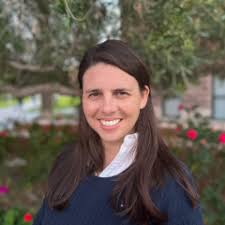
Role: President's Professor at Arizona State University
Thought Leadership Topics: Sara Brownell’s work focuses on undergraduate biology education, equity, and inclusion in STEM. She is a leading voice on course-based undergraduate research experiences (CUREs), gender disparities in STEM learning, and the inclusive design of active learning. Her scholarship examines unintended consequences of pedagogical reforms for students with marginalized and concealable stigmatized identities, as well as culturally competent approaches to evolution education that reduce perceived conflict between religion and science.Why Follow? Sara reshapes how inclusion is understood and practiced in STEM education. Her research challenges assumptions, informs national teaching practices, and ensures that evidence-based innovation genuinely serves all students.
-
Vicky Goosey-Tolfrey

Role: Professor in Applied Disability and Para Sport at Loughborough University
Thought Leadership Topics: Vicky Goosey-Tolfrey’s work focuses on inclusive sport science, Para athlete research, and doctoral education that removes barriers to participation. She is internationally recognised for advancing evidence-based Paralympic research while building highly inclusive research environments. Her leadership spans Para sport performance, disability-inclusive research supervision, global doctoral collaboration, and mentoring practices that empower researchers with physical and sensory disabilities.Why Follow? Vicky exemplifies how excellence and inclusion can coexist in research leadership. Her work advances Para sport science globally while reshaping doctoral education to be more accessible, supportive, and impactful for disabled researchers.
-
Jan Lee Santos

Role: Founding Faculty and Assistant Professor at Methodist University Cape Fear Valley Health School of MedicineThought Leadership Topics: Jan Lee Santos’s work spans the full higher education continuum, from community college to medical education, with a focus on inclusive, active-learning pedagogy and equity-centered workforce pipelines. He explores clinical presentation–based teaching, systems thinking in health education, curriculum design for access and retention, and community-integrated learning models that connect education to real-world health impact. His work bridges teaching excellence, workforce development, and health equity.
Why Follow? Jan brings proven, practice-driven insight into how inclusive teaching and pipeline programs can transform student outcomes and community health. His work demonstrates how higher education can advance equity while preparing learners for real-world clinical and public service roles.
-
Mike Perkins

Role: Head of Research and Innovation, British University Vietnam (BUV)
Thought Leadership Topics: Mike Perkins’ work focuses on research-led innovation in generative AI and assessment in higher education. He is best known for creating the AI Assessment Scale, a clear and ethical framework that supports institutions in designing GenAI-aware assessments that strengthen academic integrity, enhance feedback, and promote inclusion. His thought leadership bridges scholarship and implementation, helping educators translate AI policy and theory into practical classroom strategies. He also explores scalable AI adoption, responsible innovation, and evidence-informed approaches to teaching and learning in diverse institutional contexts.
Why Follow? As Head of Research and Innovation at BUV, Mike pairs rigorous research with real-world delivery. He doesn’t just study AI in education, he builds frameworks and tools that educators can immediately apply. Through publications, keynotes, and open-access resources, he makes complex ideas practical and actionable. His work consistently aligns innovation with integrity, inclusivity, and student success, making him a trusted and influential voice in the evolving conversation around AI in higher education. -
Dr Ursula Rolfe

Role: Associate Professor of Paramedic Science, at Bournemouth University
Thought Leadership Topics: Dr. Ursula Rolfe’s work centres on paramedic education, workforce wellbeing, and psychologically safe learning environments. She is a leading voice on mental health literacy in healthcare education, immersive and simulation-based pedagogy, and inclusive, student-centred leadership. Her work integrates compassion, reflective practice, and equity into curricula, aligning education with national priorities for workforce sustainability and quality of care.
Why Follow? Ursula exemplifies modern higher education leadership, combining innovation, humanity, and impact. Her work strengthens clinical education while safeguarding wellbeing, shaping a more inclusive and sustainable future for healthcare education in the UK. -
Darleny Cepin
Role: Senior Associate Dean of Campus Life and Chief Student Affairs Officer, Oxford College of Emory University
Thought Leadership Topics: Dr. Darleny Cepin’s work focuses on student affairs leadership, campus wellbeing, and equity-centered institutional transformation. She is a leading voice on holistic student wellbeing, belonging, civic engagement, and integrative student affairs frameworks that align campus life with institutional mission. Her work emphasizes dismantling silos, elevating student voice, and designing scalable, evidence-informed wellbeing ecosystems that support diverse student populations.
Why follow? Darleny brings bold, compassionate leadership to student affairs. Her work demonstrates how wellbeing, equity, and institutional strategy can come together to create campuses where student and the professionals who support them can truly thrive.
-
Dr. Bo Kelestyn
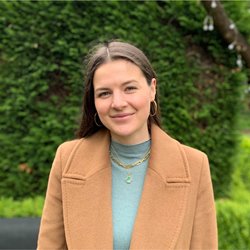
Role: Associate Professor at Warwick Business School
Thought Leadership Topics: Dr. Bo Kelestyn’s work focuses on design thinking in higher education, student–staff co-creation, and inclusive innovation. She pioneers institution-wide challenge-based learning models that empower students as partners in solving real-world problems, embedding design thinking across curriculum, employability, and sustainability initiatives. Her research and practice explore belonging, accessibility, and the democratization of design thinking through open resources, podcasts, and cross-sector collaboration.
Why follow? Bo brings creativity, generosity, and rigor to higher education innovation. Her work shows how design thinking can transform learning cultures, amplify student voice, and create inclusive environments where collaboration and belonging thrive.
FOLLOW DR BO KELESTYN
-
Michael Goodsite
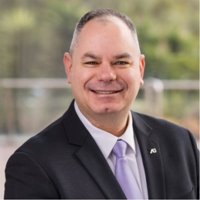
Role: Pro Vice Chancellor Research Services and Infrastructure at Adelaide University
Thought Leadership Topics: Professor Michael Goodsite’s work focuses on sustainability, climate adaptation, and environmental governance, integrating research excellence with real-world impact. He advances interdisciplinary, solutions-oriented scholarship that informs policy, industry practice, and community action. His work also emphasizes inclusive and accessible education, flexible learning pathways, and supporting diverse learners to engage meaningfully with global environmental challenges.
Why follow? Michael combines rigorous research with values-driven leadership. His work demonstrates how higher education can drive climate solutions, expand access, and develop the next generation of leaders committed to sustainability and social responsibility.
FOLLOW MICHAEL GOODSITE
-
Dr April Crenshaw

Role: Interim Department Head & Associate Professor at Chattanooga State Community College
Thought Leadership Topics: Equity-focused mathematics teaching, student belonging, AI in education, accessible digital learning, evidence-based instructional strategies, open educational resources.
Why follow? Dr. Crenshaw is a deeply thoughtful and impactful educator with over two decades of experience across K–12 and higher education. She is known for her clarity, intentional teaching, and commitment to equity, particularly for first-generation, returning, and working students. Her leadership in course redesign has improved student success and earned national recognition. April’s work with AI-powered learning tools prioritizes ethics, accessibility, and student collaboration, making her a trusted voice in inclusive, research-driven teaching.
FOLLOW DR APRIL CRENSHAW
-
Laura Dumin

Role: AI Coordinator and Professor at the University of Central Oklahoma
Thought Leadership Topics: Dr. Dumin focuses on the ethical and student-centered integration of generative AI in higher education, helping faculty use new technologies to enhance learning while maintaining academic integrity. She is an expert in the Scholarship of Teaching and Learning (SoTL), mentoring faculty through every stage of researc, from project design and IRB approval to classroom implementation and funding. She is also a recognized leader in digital accessibility, ensuring courses and content are inclusive for all students.
Why follow? An award-winning educator and AI coordinator, Dr. Dumin bridges research, teaching innovation, and faculty mentorship. She leads SoTL projects that advance evidence-based pedagogy and supports faculty nationwide in ethical AI integration. Her commitment to accessibility ensures inclusive learning environments, and she maintains a global community of educators focused on constructive discussion about AI in higher education.
FOLLOW LAURA DUMIN
-
Teresa Cremin
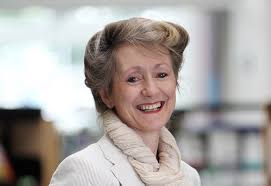
Role: Professor at Open University
Thought Leadership Topics: Teresa Cremin’s work focuses on reading for pleasure as a powerful tool for social justice, equity, and educational transformation. She is a leading researcher in literacy education, influencing policy, practice, and professional learning across primary, secondary, and higher education. Through her leadership of the Centre for Literacy and Social Justice, she connects rigorous research with classroom practice to widen access, foster belonging, and empower learners through reading.
Why follow? Teresa’s scholarship has reshaped national conversations on reading and equity. Her work informs policy, inspires educators, and demonstrates how literacy can drive social justice and lasting educational change.
FOLLOW TERESA
-
James Wright
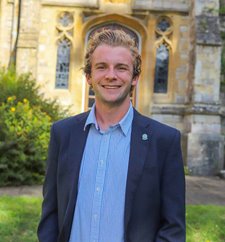
Role: Senior Lecturer and Programme Leader in Accountancy and Finance at University of Chichester
Thought leadership topics: James Wright’s work focuses on innovative, practice-based accounting education that connects academic learning with real-world business insight. He explores inclusive and accessible teaching, professional preparation, and the use of digital platforms to widen participation and support learners globally. His work demonstrates how accounting education can be human, engaging, and relevant across diverse learning contexts.Why follow? James makes accounting accessible and inspiring. Through award-winning teaching and global digital outreach, he shows how authenticity, creativity, and real-world connection can transform learning and help students succeed well beyond the classroom.
-
Dr. Gearóid Ó Súilleabháind

Role: Head of the Department of Technology Enhanced Learning at Munster Technological UniversityThought leadership topics: Gearóid Ó Súilleabháin’s work sits at the intersection of education, technology, and social justice. His leadership focuses on inclusive digital pedagogy, accessibility-first learning design, open education, AI literacy, and ethical digital transformation in higher education. He is particularly known for embedding equity and student voice into institutional digital strategy and for advancing open educational practices at scale.
Why follow? Gearóid exemplifies future-focused educational leadership grounded in care, access, and inclusion. Through award-winning initiatives such as TEL me More, national digital leadership networks, and global work on open education and AI, he consistently demonstrates how technology can widen participation rather than reinforce privilege. His work ensures that innovation in higher education remains human-centred, ethical, and accessible to all learners.
FOLLOW GEAROID
-
Role: Professor and Chair at Boston College
Thought leadership topics: Stella Flores is a nationally respected scholar whose work focuses on college access, affordability, and equity, particularly for historically underrepresented and minoritized students. Her research examines how public policy, finance, and institutional structures shape educational opportunity, offering rigorous, data-driven insight into who higher education serves—and who it leaves behind.
Why follow? Stella’s influence lies in her rare ability to bridge robust empirical research with real-world policy impact. Her scholarship directly informs institutional leaders, policymakers, and advocates seeking to design more inclusive and effective higher education systems. By translating complex data into actionable insight, she helps shift conversations from aspiration to accountability, ensuring that equity remains central to policy design rather than an afterthought.
-
Dr. Travien Capers
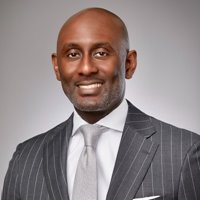
Role: Director of Assessment and Quality Improvement at University of South Carolina School of Medicine.
Thought leadership topics: Dr. Travien Capers is a transformative leader in program assessment and continuous quality improvement, with a particular focus on making educational quality processes more accessible, actionable, and inclusive. His work sits at the intersection of data, accreditation, and student-centered decision-making, helping institutions move from compliance-driven assessment to meaningful educational improvement.Why follow? You should follow Dr. Capers for his thoughtful leadership on accreditation, curriculum mapping, and continuous improvement, grounded in equity, accessibility, and real-world impact. His work bridges data, decision-making, and student success, offering a model for inclusive, sustainable excellence in higher education.
FOLLOW TRAVIEN -
Dr. Tamika Worrell

Role: Senior Lecturer at Macquarie University
Thought leadership topics: Tamika’s work explores Aboriginal and Torres Strait Islander perspectives on artificial intelligence, technology ethics, and Indigenous sovereignty. She reshapes national conversations about digital futures, showing how Indigenous knowledge can guide innovation and governance in emerging technologies.
Why follow? Tamika is a leading voice in Indigenous education and research. Her teaching, mentorship, and research create transformative learning spaces and pathways for emerging scholars, while her insights ensure Indigenous perspectives remain central in academia and technology.
FOLLOW TAMIKA -
Patricia Baia

Role: Assistant Dean of Teaching Effectiveness, Touro University Jacob D. Fuchsberg Law Center
Thought leadership topics: Dr. Baia focuses on the future of higher education, including integrating AI into classrooms, advancing pedagogy, and creating collaborative learning environments. She demonstrates how thoughtful innovation can enhance student success and faculty development while shaping the evolution of teaching and learning.
Why follow? Dr. Baia is a transformative voice in higher education. Her leadership connects people and ideas across disciplines, inspires bold thinking, and drives practical change, making her essential for anyone interested in the future of teaching, learning, and academic innovation.
FOLLOW PATRICIA
-
Brian Evans

Role: Brian Evans is a faculty member and researcher in wireless communication electronics at the University of Texas and currently serves as President of the Texas Conference of AAUP/AFT.
Thought leadership topics: Brian’s work focuses on advancing wireless communication technology and developing more efficient methods of information exchange. He also leads on academic freedom, advocating for faculty rights to teach and students’ rights to learn, fostering open inquiry and critical thinking in higher education.
Why Follow?: Brian Evans is a vital voice for both innovation and academic advocacy. His leadership ensures faculty can teach freely and students gain a well-rounded, critical education, making him essential for anyone interested in the future of education, research integrity, and technological advancement.
FOLLOW BRIAN
-
Aicha Adoui

Role: Dr. Aicha Adoui is an Professor at Mohammed V University in Rabat (Ministère de l'Enseignement Supérieur, de la Recherche Scientifique et de l'Innovation - Maroc)
Thought leadership topics: Dr. Adoui focuses on higher education’s role in cultural diplomacy, national branding, and equitable access to learning. Her comparative research on Morocco and South Korea shows how university exchanges foster global understanding and promote inclusive, transformative education.
Why Follow? Dr. Adoui is a leading voice in combining innovation, mentorship, and equity in higher education. She shapes policies and practices that expand opportunities for students while mentoring the next generation of scholars and professionals, making her essential for anyone interested in global education, inclusion, and cultural exchange.
FOLLOW AICHA
-
Lauren Barbeau

Role: Dr. Lauren Barbeau is the Assistant Director of Learning and Technology Initiatives in the Center for Teaching and Learning at Georgia Tech.
Thought leadership topics: Dr. Barbeau focuses on improving teaching quality and culture in higher education, advocating for frameworks that identify, support, and reward effective teaching. Her work on Critical Teaching Behaviors and peer observation highlights practical strategies for advancing student success and faculty development.Why follow? Dr. Barbeau is a leading voice on teaching excellence in higher education. She combines research, consulting, and hands-on leadership to help institutions build coherent practices for evaluating and fostering effective teaching, making her essential for educators and administrators aiming to strengthen learning outcomes.
FOLLOW LAUREN
-
Gina Solano

Role: Dr. Gina Solano is an educator and scholar at SUNY
Thought leadership topics: Dr. Solano focuses on integrating AI, gamification, and project-based learning into higher education to enhance engagement and prepare future educators. Her work includes designing interactive assignments, digital escape rooms, and gamified online courses that develop creativity, collaboration, and digital fluency.Why follow? Dr. Solano is a leading voice in innovative teaching and learning. Her award-winning practices, use of emerging educational technologies, and commitment to ethical, interactive learning make her essential for educators and institutions aiming to transform student engagement and outcomes.
FOLLOW GINA
-
Luke Kimber-Bradshaw

Role: Luke Kimber-Bradshaw is a Senior Learning Designer Team Lead at University of Southampton
Thought leadership topics: Luke focuses on educational technology implementation, pedagogical transformation, and service design in higher education. He approaches large-scale platform migrations as opportunities to enhance teaching practice and improve learning design while ensuring accessibility and meaningful engagement for staff and students.
Why follow? Luke Kimber-Bradshaw is a leading voice in translating complex technology transitions into pedagogical innovation. His expertise in change management, VLE strategy, and instructional design makes him essential for institutions and educators looking to harness technology to genuinely improve teaching and learning outcomes.
FOLLOW LUKE
-
Dr. Jovanna Nathalie Cervantes Guzmán

Role: Dr. Jovanna Nathalie Cervantes Guzmán is a doctoral candidate and higher education professional who has contributed to curriculum design, student success, and educational innovation at institutions including the University of Western Australia and Queensland University of Technology.
Thought leadership topics: Dr. Cervantes Guzmán focuses on inclusive curriculum innovation, gender equity, global education, and industry-engaged learning. Her work integrates real-world experience, entrepreneurship, and access-driven design to ensure higher education is future-focused and socially responsive.
Why follow? Dr. Cervantes Guzmán is an emerging leader shaping the future of higher education through innovation, equity, and global impact. Her founding of EVA Academy and her success in securing competitive international grants highlight her ability to translate academic expertise into meaningful social change, making her a vital voice for modern, inclusive education.
FOLLOW JOVANNA
- Lisa Clark

Role: Associate Vice President of Academic Transformation at Anthology (Blackboard) and Professor at Bowling Green State UniversityThought leadership topics: Dr. Clark focuses on artificial intelligence in teaching and learning, AI literacy, and pedagogically grounded course design. Her Reframing Bloom’s for the Age of AI framework provides faculty with an ethical, inclusive, and practical model for designing future-ready learning experiences.
Why follow? Dr. Clark is a globally recognized voice shaping how higher education thoughtfully adopts AI. Her ability to bridge pedagogy and technology, combined with her leadership, scholarship, and international influence, makes her essential for educators and institutions navigating AI-enhanced teaching with clarity, rigor, and human-centred purpose.
FOLLOW LISA CLARK - Alicia Kalka
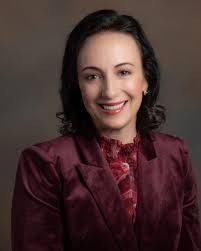
Role: Associate Vice President of Enrollment Management at Fairmont State UniversityThought leadership topics: Alicia focuses on student-centered enrollment strategy, access and affordability, retention, and equitable pathways to degree completion. Her work integrates recruitment, financial wellness, and persistence initiatives to better serve students, particularly those from historically underserved communities.
Why follow? Alicia Kalka is a powerful voice in modern higher education leadership. Drawing on both professional expertise and lived experience as a first-generation Appalachian graduate, she advances inclusive, innovative enrollment practices that expand access and improve student success, making her essential for leaders committed to equity-driven institutional transformation.
FOLLOW ALICIA
- Matthieu Kaminski
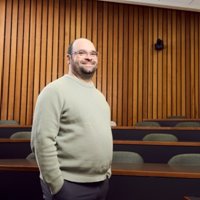
Role: Matthieu Kaminski is Director of Learning Initiatives at UC Berkeley, overseeing online programs and audiovisual learning initiatives.
Thought leadership topics: Matthieu focuses on technology-enabled access, online program development, and innovative learning delivery in professional education. His work expands access to education for optometry professionals regardless of location, while drawing on best practices developed across multiple UC Berkeley schools.
Why follow? Matthieu Kaminski is a thoughtful leader advancing accessibility and innovation in higher education. His cross-institutional experience and international perspective enable him to design inclusive, scalable learning initiatives that break down geographic barriers and strengthen global understanding in academic programs. - Nicole Lindenburg

Role: Lecturer and subject coordinator in the Nursing and Midwifery programs at James Cook University.
Thought leadership topics: Nicole focuses on practice-based teaching, clinical education, and curriculum design in nursing and midwifery. Her work emphasises clarity, strong learning pathways, and alignment between academic learning and real-world clinical practice.
Why follow? Nicole Lindenberg is a trusted voice in health education whose steady leadership delivers measurable impact. Her improvements to subject design have led to sustained increases in student achievement, while her approachable, supportive teaching style ensures students feel confident and prepared for clinical work, making her an influential educator in nursing and midwifery education. - Bridget Burns
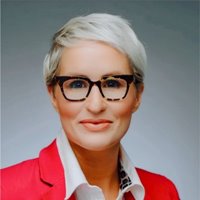
Role: CEO of University Innovation Alliance (UIA)
Thought leadership topics: Bridget’s work centres on evidence-based policy, transparency in higher education, and equity-driven reform. She advances national conversations that push institutions and policymakers to better serve students through clearer information, fairer systems, and more inclusive pathways.Why follow? Bridget Burns is a powerful voice shaping the future of higher education. Her advocacy consistently translates research into impact, influencing policy and practice to make higher education more accessible, affordable, and responsive to student needs, making her essential to follow in 2026.
- Nicola Campbell

Role: Nicola Campbell is a senior leader at the University of York, leading institutional work on preventing sexual violence and harassment and strengthening survivor support.
Thought leadership topics: Nicola focuses on tackling sexual violence in higher education, institutional culture change, survivor-centred practice, and evidence-based prevention. Her work places sexual violence at the centre of university governance, using data, intersectional approaches, and sector-wide knowledge sharing to drive meaningful change.
Why follow? Nicola Campbell is a nationally respected voice making campuses safer for all. Her leadership has positioned the University of York as a sector leader, influenced policy and practice across higher education, and demonstrated how prevention, accountability, and compassionate support can be embedded into institutional culture. - Dr. Mythili Kolluru

Role: Assistant Professor at the College of Banking & Financial Studies
Thought leadership topics: Dr. Kolluru focuses on curriculum innovation, student success, the future of work, strategic thinking, and higher education’s role in national competitiveness. Her research, books, and original frameworks bridge academia and practice, translating complex insights into actionable tools for teaching, advising, and leadership development.
Why follow? Dr. Kolluru is a globally impactful voice in higher education whose scholarship, public writing, and leadership consistently shape thinking at the intersection of education, strategy, and work futures. Her sustained excellence in research, teaching, and professional training makes her essential for educators and leaders seeking evidence-based, future-ready approaches to higher education. - Shauntae Trammell

Role: Shauntae Trammell is Manager of IT Technology Support Centers at George Washington University, overseeing classroom technology and IT support services across the institution.
Thought leadership topics: Shauntae focuses on educational technology operations, customer-centric IT services, team leadership, and scalable support models for teaching and learning environments. Her work ensures technology reliably supports faculty, staff, and students across thousands of spaces and users.
Why follow? Shauntae Trammell is a change-driven leader who bridges technology and institutional mission. Her collaborative, people-first approach, ability to lead large, diverse teams, and commitment to aligning technology with educational needs make her an influential voice in higher education IT and service transformation. - Dr Brianna Le Busque

Role: Program Director at Adelaide UniversityThought leadership topics: Brianna focuses on inclusive assessment design, science communication, student wellbeing, and authentic learning in environmental science education. She integrates real-world communication and outreach into coursework, creating assessment pathways that build practical skills while supporting diverse learners.
Why follow? Brianna Le Busque is a deeply impactful educator and mentor whose work improves both learning outcomes and student wellbeing. Her award-winning teaching, research-informed approach to mental health, and exceptional mentorship record make her a powerful voice in higher education, particularly for those committed to inclusive learning, authentic assessment, and student-centred academic leadership.
-

Role: Associate Professor at Adelaide University
Thought leadership topics: Dr Tanya Weiler provides thought leadership on enabling education and equity-centred pedagogy, focusing on inclusive student success and pathways for Aboriginal and marginalised learners. She is recognised for advancing culturally responsive teaching and co-developing Critical Enabling Pedagogy, which frames higher education as a social justice endeavour that values diverse student identities and knowledges.
Why follow? Dr Tanya Weiler is an influential educator at the University of South Australia, championing equitable and inclusive higher education. She leads initiatives that support Aboriginal and marginalised students, including the Aboriginal Pathway Program, and co-developed Critical Enabling Pedagogy, framing learning as a social justice endeavour. Her work has been nationally recognised for improving student outcomes and creating transformative, supportive learning environments.
-
Ashley Dockens

Role: Associate Provost of Academic Innovation & Digital Learning
Thought leadership topics: Dr Ashley Dockens provides thought leadership on student success, faculty collaboration, and academic leadership, blending research-driven practices with innovative, forward-thinking strategies. She focuses on preparing future educators and leaders while promoting inclusivity, mentorship, and continuous improvement in higher education.Why follow? Dr Ashley Dockens is an exceptional leader and educator at Lamar University, known for combining innovation, excellence, and service in higher education. She advances student success and faculty development through thoughtful, research-informed practices and inclusive mentorship, and her work has a transformative impact on preparing the next generation of educators and leaders.
-
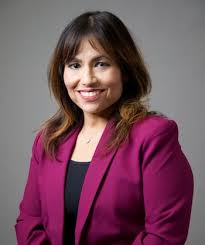
Sarah-Eliéssa Badaoui

Role: Lead Lecturer at Polytechnique Montréal
Thought leadership topics: Sarah-Eliéssa Badaoui provides thought leadership on cybersecurity education, human behavior in cybercrime, prevention strategies, and the integration of behavioral science and criminal profiling into technical curricula. She advocates for a prevention-driven, human-centred approach to cybersecurity that equips students to understand offender motivations, manipulation strategies, and real-world threats.
Why follow? She is transforming cybersecurity education at Polytechnique Montréal by placing human behavior, prevention, and education at the centre of the field. She pioneered the integration of behavioral science and criminal profiling into university-level courses, now part of the official curriculum, equipping students with practical skills to analyze cyber threats and approach cybercrime responsibly. Her work redefines how future cybersecurity professionals understand and prevent digital crime.
FOLLOW SARAH


The Top 100 Shortlist (Positions 51–100)
Congratulations to everyone who was shortlisted. The individuals below make up the remaining 50 in our Top 100 shortlist and those who narrowly missed out on the Top 50 voices list. Their nominations clearly demonstrated exceptional impact, influence, and leadership across higher education. Being included in this shortlist is a significant achievement, and we are proud to recognize and celebrate each of these outstanding voices. 
The shortlisted names:
- Khulan Zagd, University of San Francisco
- India Ballard, ECPI
- Jacob Johnson, Queensland Department of Education
- Hassanatu Blake, University of Maryland School of Public Health
- Ruari Elkington, Queensland University of Technology
- Inez Hayes, Baylor University
- Dr Roman Mitch, Whitecliffe College (New Zealand)
- Shawna Novak, Harvard Medical School & CISEPO
- Sonia Toson, Kennesaw State University
- Sarune Savickaite, University of Exeter
- Susan Dynarski, Harvard University
- Goran Shibakovski, University of Information Science & Tech - St. Paul the Apostle
- Erin Maher-Moran, The John Hopkins University
- Katrin Kohl, York University
- Emmett Cullinane, South East Technological University
- Melinda Turner, Lincoln Memorial University
- Dr Mark Gidley, Newcastle University
- Dr Tunde Varga-Atkins, University of Liverpool
- Malgorzata (Gosia) Sulimierska, University of Sussex
- Alexander Muir, Anglia Ruskin University
- Marie Macher, North Idaho College
- Jennifer Lowe, University of Newcastle (NSW)
- Dr Tejaswini A Murthy, Adelaide University
- Deanna Grant-Smith, University of the Sunshine Coast
- Rose Tirotta-Esposito, Stony Brook University
- Tamsyn Smith, University of Southampton
- Courtney A. Brown, Southern University and A&M College- Baton Rouge
- Dr Robert Nash, University of Aston
- Coby Lee, Queensland University of Technology
- Paul Ashwin, Lancaster University
- Dylan Williams, University of Birmingham
- Jonathan Eaton, University of Cumbria
- Geraldine Gorman, Atlantic Technological University
- Professor Damien Page, Buckinghamshire New University
- Adelina Popescu, Financial Banking College
- Kate Austin, Leeds Beckett University
- Tom Lowe, Westminster University
- Iram Tanvir, Yorkville University
- Fatih Killi, Renton Technical College
- Keith Moser, Mississippi State University
- Katy Burgess, Cardiff University
- Sandra Wilks, Southampton University
- Halyna Miasoid, Global Banking School
- Suchit Ahuja, Concordia University & John Molson School of Business
- Jason Miller, South Piedmont Community College
- Dr. Cristina-Steliana Mihailovici, Liverpool John Moores University
- Mohamed (Prof. Essam Khedr) Khedr, Arab Academy for Science, Tech & Maritime Transport
- Denis Arsovski, University St. Kliment Ohridski in Bitola
- Kev Bradshaw, University of Portsmouth
- Sehrish Basir Nizamani, Virginia Tech
- Dr. TamilSelvan Ramis, Asia Pacific University of Technology and Innovation
Celebrating the Voices Moving Higher Education Forward
Congratulations to the Top 50 Voices in Higher Education 2026, and thank you to everyone who nominated a leader, mentor, or innovator this year. These voices reflect the ideas, energy, and expertise shaping higher education right now and where it’s heading next. Explore the list, connect with the voices that resonate with you, and join the conversation. The future of higher education is being built every day, and these leaders are helping move it forward.
Stay tuned for updates on our LinkedIn page and to nominate next year’s voices.
Make learning truly unmissable and inclusive
As teaching and learning continue to evolve, meaningful engagement has become essential to helping students think deeply, contribute confidently, and stay connected in both physical and digital classrooms. Interactive tools like live polling, quizzes, and real-time Q&A play a critical role in creating these experiences. When learners can actively respond, reflect, and see their perspectives represented, classrooms shift from passive spaces to collaborative communities.
Vevox supports this transformation by giving educators simple, flexible ways to engage every participant. Whether used to check understanding, spark discussion, or amplify quieter voices, Vevox helps ensure that interaction is intentional and inclusive.
Learn how Vevox can elevate your interactive learning.


